In today’s industrial world, non-ferrous metals form the backbone of the economy. These metals, which do not contain iron, have become essential in nearly every industry—from automotive manufacturing to space technology. Scientific research demonstrates that sustainable metallurgy and recycling will be among the most critical economic factors in the future. Metalbee understands the importance of these metals and provides professional scrap metal collection services, helping businesses obtain maximum value from their metal waste.
Why Are Non-Ferrous Metals So Important?
Non-ferrous metals differ from ferrous metals because of their corrosion resistance, low weight and excellent electrical conductivity. These properties make them indispensable in modern manufacturing. Global demand for these metals continues to grow, directly affecting metal prices and creating new opportunities within the recycling industry.
1. Aluminium – The Lightweight Giant
Aluminium dominates the non-ferrous metals market due to its unique combination of properties. The aviation industry consumes approximately 20% of all aluminium produced, while the automotive industry accounts for another 27%. The price of aluminium per kg fluctuates depending on market conditions, but demand for this metal remains stable.
Primary aluminium production consumes enormous amounts of energy, making its recycling economically advantageous. Recycling requires only 5% of the energy needed to produce new aluminium. This makes aluminium recycling a highly profitable business.
2. Copper – The Conductor of Electricity
Copper has the second-highest electrical conductivity after silver, making it indispensable in electronics and electrical engineering. The construction industry uses copper in pipes and electrical wiring. Its antibacterial properties also make it a valuable material in medical equipment.
The market price of copper is volatile, but demand continues to grow, particularly as the renewable energy sector develops. Wind turbines and solar panels require large quantities of copper, reinforcing the strategic importance of this metal in the future.
3. Zinc – The Protection Specialist
Zinc is primarily used as a protective coating for steel, preventing corrosion. The galvanising process consumes approximately 50% of all zinc produced. This metal is also essential in alloy production, particularly in the manufacture of brass and bronze.
In the pharmaceutical industry, zinc is used in the production of dietary supplements. Its importance to the human body makes it an essential ingredient in healthcare products. Zinc recycling is technically complex but economically viable.
4. Lead – The Energy Storage Metal
Lead dominates battery production, where it provides reliable energy storage. Automotive batteries account for approximately 60% of all lead used. In construction, lead is used for radiation protection and sound insulation.
Lead recycling achieves an efficiency rate of 99%, making it one of the most recyclable metals. This property ensures a stable supply of lead to the market and reduces the need for newly extracted metal.
5. Nickel – The Heart of Stainless Steel
Nickel is a key component of stainless steel, providing corrosion resistance and mechanical strength. The chemical industry uses nickel in catalysts and chemical processing equipment. In coin production, nickel provides durability and shine.
Nickel is becoming increasingly important in battery technology, particularly in lithium-ion batteries. The electric vehicle revolution is significantly increasing demand for nickel, affecting both its market price and availability.
Metalbee – Your Trusted Metal Recycling Partner
Metalbee specialises in scrap metal purchasing and offers competitive non-ferrous metal prices. Our professional team evaluates every metal shipment, ensuring a fair and efficient transaction process.
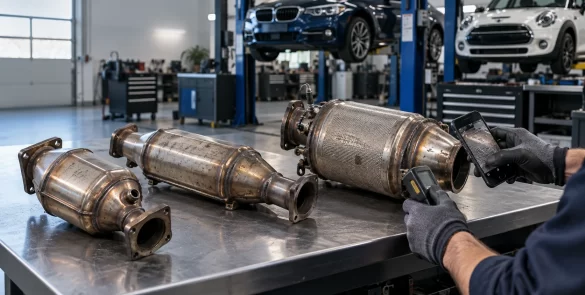
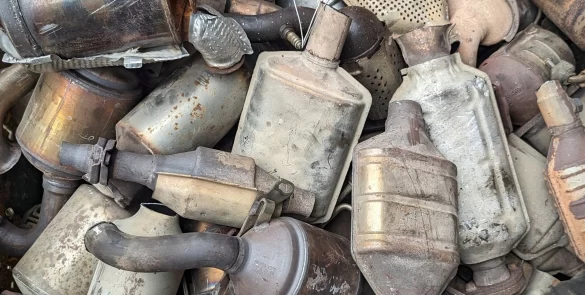
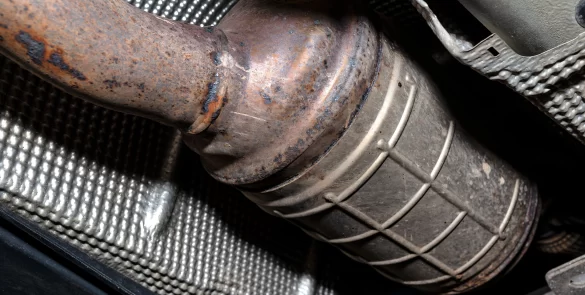
Catalytic converter recycling is one of our specialities. Used catalytic converters contain precious metals that can provide significant economic value. Metalbee uses advanced technologies to determine the precise metal content and offer the most competitive scrap metal prices.
Future Prospects
The importance of non-ferrous metals will continue to grow alongside technological development. Electric mobility, renewable energy and the digital revolution are creating increasing demand for these materials. The recycling industry plays an essential role in ensuring the sustainable use of resources.
Investment in metal recycling technologies creates new opportunities for both environmental protection and economic growth. Data from international metal recycling organisations indicates that the recycling industry will become one of the principal drivers of the economy in the future. Metalbee is ready to be your partner in this promising industry by providing professional services and fair prices.
Where Non-Ferrous Metals Are Found in Scrap
| Metal | Main Sources in Scrap Metal |
|---|---|
| Aluminium | Automotive parts (wheels and engine blocks), beverage cans, window frames, electrical cables, household appliances and air conditioners |
| Copper | Electrical cables and wires, pipes used in plumbing and heating systems, transformers, capacitors, radiators and catalytic converters |
| Zinc | Galvanised steel coatings, battery casings, construction materials, roofing and gutters |
| Lead | Automotive batteries, old piping systems, radiation shielding materials, cable sheathing and soldering materials |
| Nickel | Stainless steel products, coins, batteries—especially hybrid vehicle batteries—catalytic converters and chemical industry equipment |
FAQ
What are non-ferrous metals and why are they important?
Non-ferrous metals are metals that do not contain iron, such as aluminium, copper, zinc, lead and nickel. They are lightweight, corrosion-resistant and conduct electricity well, making them indispensable in construction, electronics, the automotive and aviation industries, as well as the renewable energy sector.
What are the five most important non-ferrous metals driving the global economy?
The five main non-ferrous metals are:
- Aluminium – lightweight and widely used in the aviation and automotive industries.
- Copper – essential in electrical wiring and renewable energy technologies.
- Zinc – used to galvanise steel and prevent corrosion.
- Lead – mainly used in battery production and radiation shielding.
- Nickel – a component of stainless steel and essential in battery technologies for the electric vehicle industry.
How does recycling affect the non-ferrous metals economy?
Recycling non-ferrous metals reduces the need for new extraction, saves enormous amounts of energy—for example, recycling aluminium uses only 5% of the energy required for primary production—and ensures a stable supply of valuable raw materials. It is both environmentally friendly and economically beneficial.
Where can non-ferrous metals be found in scrap?
Non-ferrous metals are commonly found in:
- Aluminium – automotive parts, beverage cans, window frames and electrical equipment.
- Copper – electrical cables, pipes, radiators and transformers.
- Zinc – galvanised steel, roofing and batteries.
- Lead – automotive batteries, old piping systems and protective materials.
- Nickel – stainless steel, coins, hybrid vehicle batteries and catalytic converters.
Why is demand for non-ferrous metals increasing?
Demand is growing due to technological development and green energy solutions. Electric vehicles, solar panels and wind turbines require large quantities of copper and nickel, making these metals strategically important to the economy of the future.