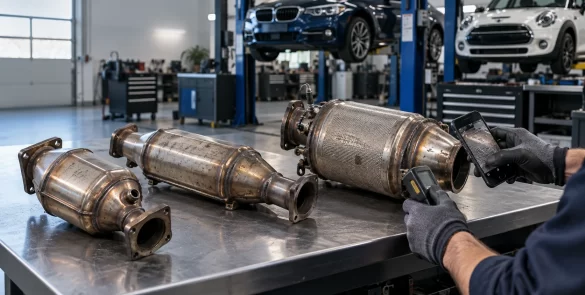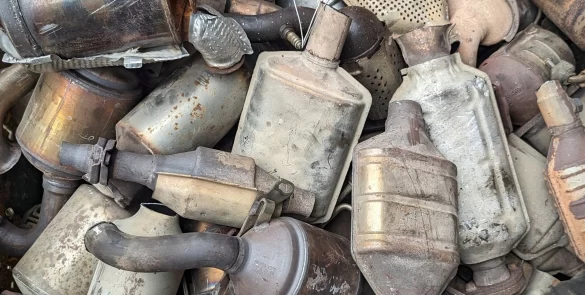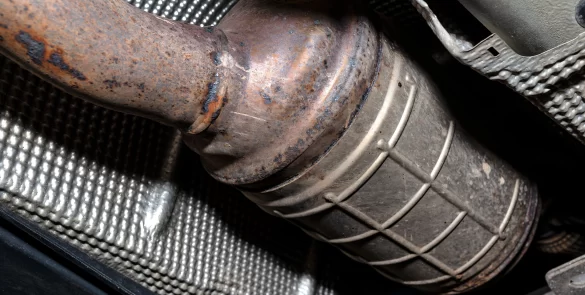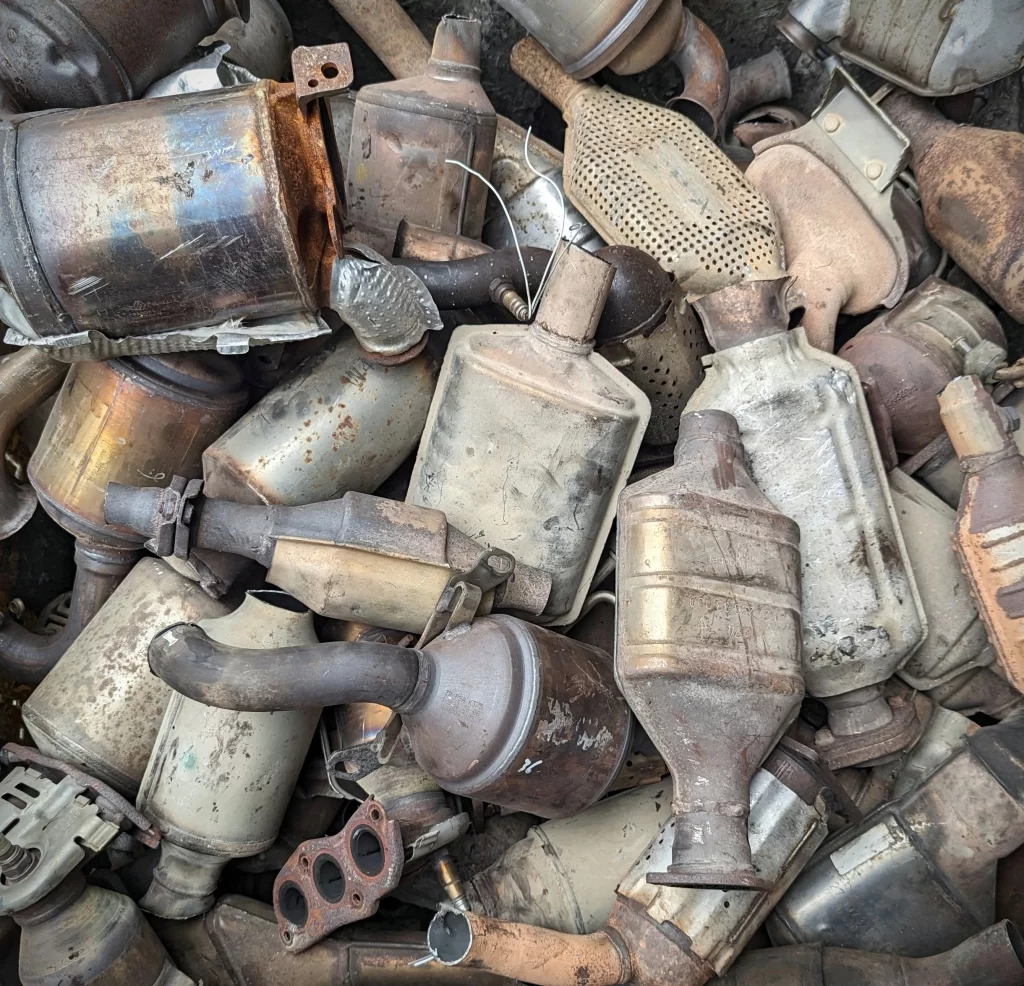

Introduction: The catalytic converter in a vehicle’s exhaust system contains small yet valuable amounts of platinum group metals. These are most often platinum, palladium, and rhodium. These metals help convert harmful exhaust gases into less harmful compounds. Therefore, a worn component is not simply scrap metal. Its value is determined by its composition, model, condition, and the results of professional analysis.
Key takeaways
- The main precious metals are platinum, palladium, and rhodium.
- Each metal has its own role in exhaust gas purification.
- Precious metals are located in a coating on a ceramic or metal substrate.
- A visual inspection does not reveal the exact quantity of precious metals.
- The valuation is influenced by the component code, origin, and physical condition.
- A database or laboratory analysis is needed for a more accurate result.
- Documentation and clear payment terms reduce selling risks.
What precious metals are found in a vehicle’s catalytic converter?
It typically uses platinum, palladium, and rhodium. They belong to the platinum group metals and act as active substances on the surface of the internal substrate.
According to the U.S. Geological Survey’s information on platinum group metals, this group includes six metals, including platinum, palladium, and rhodium. Automotive emission control systems are one of the significant applications for these materials.
The metals usually do not form a thick layer that is easy to see with the naked eye. They are applied in very small quantities to a porous surface. This design creates a large reaction area without making the component excessively heavy or expensive.
Why is platinum used?
Platinum promotes the conversion of carbon monoxide and unburned hydrocarbons. It can operate at high temperatures and is resistant to chemical exposure.
The amount of platinum is not the same in every component. It is affected by the engine type, production period, and design of the specific emissions system. As a result, two externally similar parts may have different compositions.
Manufacturers adapt the metal combination to the intended operating conditions. Exhaust gas temperature, fuel type, and the requirements for which the vehicle was designed all matter.
What is the role of palladium?
Palladium mainly helps oxidize carbon monoxide and unburned hydrocarbons. It is frequently found in gasoline vehicle emission control systems.
However, the fuel type alone cannot reliably determine the composition. Different model years of the same model may have different components, coatings, and metal ratios. Markings and laboratory-derived data provide a more reliable answer.
What does rhodium do in the exhaust system?
Rhodium mainly helps reduce nitrogen oxides. Therefore, it has an important place in systems where several harmful compounds are converted at the same time.
Rhodium is used together with other platinum group metals. Each substance supports a specific reaction, while the overall result is more efficient exhaust gas purification. This also explains why the entire metal composition, rather than just one substance, must be considered during valuation.
How is this operating principle explained in chemistry?
A catalytic substance accelerates a chemical reaction without being consumed in the same way as the reaction’s starting materials. In an automotive component, this principle is used to convert hot exhaust gases.
The International Union of Pure and Applied Chemistry definition explains that catalysis increases a reaction rate by adding a substance that participates in the process but is not fully consumed. Put simply, it helps the reaction occur more easily.
The search terms catalyst chemistry and catalyst in chemistry generally refer to this principle. Meanwhile, the phrase what is a catalyst in the automotive industry often means the entire exhaust system component, not only the active substance.
How is the inside of the component constructed?
Inside, there is usually a honeycomb ceramic or metal substrate. Its many channels provide a large surface area through which exhaust gases flow.
The substrate has a coating containing active substances. Once the system reaches a suitable operating temperature, the required chemical reactions take place on its surface. A damaged, melted, or crumbled substrate can reduce both the component’s performance and the amount of material available for recycling.
Is the metal composition the same in all vehicles?
No, the composition and proportions can differ significantly. Even similar models from the same manufacturer do not always contain the same amount of precious metals.
Differences are caused by the engine type, emission system design, year of manufacture, and the market for which the vehicle was intended. The component’s location is also important. Some vehicles have several emission control units, and each may serve a different function.
The differences between gasoline and diesel solutions are explained in more detail in the article on how diesel and gasoline systems differ. Fuel type is a useful starting indicator, but it does not replace checking the component code.
Can the value be determined by external appearance?
An exact value cannot be determined by appearance alone. The housing does not show the concentration of precious metals in the internal coating.
Nevertheless, an external inspection helps identify significant issues. It may reveal cuts, welds, impact marks, or signs that the internal material has been removed. This information is important before further identification.
The marking on the housing is often much more useful than the component’s shape. A clearly readable code makes it possible to compare the specific unit with data from chemically analyzed samples. If the code is missing or damaged, material testing may be required.
What determines the valuation of a worn component?
The valuation is determined by the potential platinum, palladium, and rhodium content, the component’s identity, and its condition. Market conditions are important, but they are not the only factor.
Reliable catalytic converter purchasing and recycling in Latvia begins with a clear identification procedure. The seller should be able to understand which data the offer is based on and how payment will be made.
Which factors affect the calculation the most?
The code, coating composition, and completeness of the internal substrate are the most important factors. The housing size alone, on the other hand, is not a reliable indicator of value.
Table: key valuation factors and their importance
| Factor | What it indicates | What the seller should check |
|---|---|---|
| Component code | Helps identify the model and compare analysis data | Whether the marking is readable and has not been altered |
| Internal substrate | Shows whether the recyclable material has been retained | Whether there is pronounced rattling or visible damage |
| Platinum group metals | Make up the main share of the material’s value | Whether the valuation is based on data or analysis |
| Product origin | Helps substantiate the lawful transfer of ownership | Whether invoices, vehicle details, or other documents have been retained |
| Payment procedure | Shows the transparency of the transaction | Whether the terms are clear before handover |
Publicly stated catalytic converter prices can serve as an initial indication. However, the final valuation is affected by the specific unit, its code, and the retained internal material.
Additional explanation of the role of metals in the calculation is provided in the article about the impact of precious metals on costs. It helps explain why offers for components of similar size may differ.
How should you prepare a component for professional valuation?
Keep the component as intact as possible and photograph its marking. Include information about the vehicle and its origin, if available.
- Clean only dirt that prevents the code from being read.
- Do not grind off the marking or modify the housing.
- Photograph the component from several angles in good lighting.
- Take a clear image of the code, logo, and weld locations.
- Record the vehicle make, model, engine, and year of manufacture.
- Keep the invoice or another document confirming its origin.
- Clarify the valuation and payment procedure before handover.
The component should not be opened or crushed without authorization. This can make identification more difficult, reduce the amount of material delivered for recycling, and create unnecessary dust exposure. It is safer to hand it over intact to a specialized company.
When is laboratory analysis needed?
Analysis is particularly useful if the marking is unreadable or there is no reliable matching record in the database. It may also be needed for a larger batch of mixed materials.
Individual units can often be valued using verified reference data. For non-standard components and prepared material, a chemical test of a sample is a more accurate approach. The result should be linked to the specific sample and clearly explained to the customer.
How do you choose a safe handover location?
Choose a company that clearly explains identification, acceptance conditions, and payment procedures. The seller should receive understandable information before the transaction is completed.
Before visiting, ask which documents you need to bring and whether photographs are sufficient for an initial valuation. Also find out what will happen if the code cannot be found in the database. A clear answer helps avoid misunderstandings.
- Check the company’s address and contact options.
- Find out how the component’s weight and condition are recorded.
- Ask whether the valuation is based on verified data.
- Request clear payment terms.
- Hand over only legally obtained components with known origins.
Professional catalytic converter purchasing combines technical valuation with a transparent transaction process. This is important for both the owner of a single component and for an auto repair shop or dismantling company.
Summary
Platinum, palladium, and rhodium are the main precious metals in a vehicle’s exhaust gas neutralization unit. Platinum and palladium help oxidize carbon monoxide and hydrocarbons, while rhodium helps reduce nitrogen oxides.
The exact composition cannot be determined solely by size, weight, or external appearance. A reliable valuation requires a readable code, a verified database, or laboratory analysis. Metalbee can help identify the component, provide a professional assessment, and ensure a clear handover process.
FAQ
Which three precious metals are most commonly found?
Platinum, palladium, and rhodium help reduce harmful emissions.
Is the precious metal composition the same in all vehicles?
No, the composition varies by vehicle model, engine, and year of manufacture.
Why is the marking on the housing important?
The marking helps find the corresponding entry in an analysis database.
Can value be determined solely by external appearance?
A visual inspection alone does not determine the exact precious metal content.
What should be prepared before selling the component?
Keep documents confirming its origin and choose a legitimate buyer.