Introduction: Nowadays, people spend more and more time with their phone, computer, tablet, router, TV, and other devices. New technologies enter our homes quickly, but old equipment often remains in drawers, closets, or the garage. This only seems convenient. In reality, excess electronics take up space, can create safety risks, and delay the return of valuable materials back into circulation. That is why it is worth deciding in time what to keep, what to repair, and what to pass on. If old phones, chargers, cables, and peripherals are piling up at home, electronic waste does not need to be stored forever – it can be handled responsibly and simply.
- Old electronics should not be stored at home for years.
- Always delete personal data before handing anything over.
- Handle batteries, accumulators, and damaged devices with care.
- Not everything has to be thrown away – some items can be repaired, donated, or submitted for evaluation.
- Professional recycling helps recover materials and reduces pollution.
- The most convenient solution is to choose a clear and reliable drop-off point.
Why shouldn’t you keep old electronics?
Old electronics are not worth storing because they take up space, become outdated, may deteriorate, and delay the return of materials into circulation. The sooner a device is sorted, the easier it is to prepare it for reuse or recycling.
The original idea of this article was already correct before – unnecessary devices appear at home quickly because technology changes even faster. The difference is that today people are much more aware not only of convenience, but also of safety and environmental issues. An old phone with a swollen battery, a damaged charger, or a computer that has been exposed to moisture is not just an “old item.” It is something that should be assessed and removed from household use properly.
In Latvia, sorting has major practical importance. According to the State Environmental Service, one resident generates around 400 kg of household waste per year, and about half of it is recyclable if it is sorted. It is a good reminder that order at home begins not at the landfill, but at the moment we decide not to keep something unnecessarily.
In addition, old electronics often contain materials that can be recovered. That is why there is no need to wait for a major deep clean. It is more practical to build a small sorting habit – one box for cables, one for devices, and one for damaged batteries or accumulators, which can then be taken to an appropriate collection point.

How can you tell what has already become excess electronics at home?
Devices usually become excess electronics when they are no longer used, cannot be conveniently repaired, or no longer have any real purpose at home. If an item has been sitting unused for more than a few months, it is worth deciding its next step.
Many people keep a “might be useful later” box. Old phones, routers, keyboards, mice, printers, power supplies, speakers, monitors, and countless wires end up there. But not everything technical needs to be kept. If a device is obsolete, damaged, or no longer fits your needs, it is already effectively a candidate for sorting out.
Here it is important to distinguish usable equipment from what already qualifies as electronic waste. The first group may include a working monitor or laptop that can be given to another user. The second group usually includes damaged devices, cracked chargers, unusable cables, broken screens, and parts that are no longer practical to keep at home.
Which devices can usually be submitted for recycling?
Both small and larger household electronics can usually be submitted for recycling if they are no longer needed or cannot be repaired. The most important thing is to sort them by type and not place them in a household waste bag together with other items.
Below is a simple reference table that helps you quickly understand what to do with the most common devices found at home.
| Device or item | What to check before handing it over | Recommended action |
|---|---|---|
| Mobile phone | Delete data, remove the SIM and memory card | Hand it over for reuse or recycling |
| Laptop or desktop computer | Delete files, disconnect accounts, remove stickers with sensitive information | Evaluate handover, repair, or parts recovery |
| Cables and chargers | Sort by type and do not mix with household waste | Hand over together with other electronics |
| Router, modem, decoder | Check whether it contains personal settings or data | Hand over at a specialized collection point |
| Printer or scanner | Remove cartridges if it is safe to do so | Submit for recycling separately from the household waste stream |
| Damaged mouse, keyboard, headphones | Sort together with small electronics | Submit for recycling at the same time as other devices |
If you want even more practical ideas for sorting at home, additional tips for recycling household electronics can also help, with a focus on steps that are easy to implement in everyday life.
How can you safely prepare a device for handover?
Safe preparation starts with deleting data, disconnecting accounts, and sorting accessories. You should not hand over a device in a rush if it still contains personal information or has hazardous damage.
This is one of the most important steps, and it was also essential in the previous version of the article. Before parting with a phone, tablet, computer, or external drive, check whether you have logged out of your accounts and deleted photos, documents, and passwords. If possible, perform a factory reset. On computers, delete not only visible files, but also prepare the device so that personal information is not left accessible to the next user or recycler.
The next step is physical organization. Gather chargers, adapters, and cables separately. If you know which wire belongs to a specific device, keep them together. This makes evaluation and sorting easier. This is exactly how good equipment recycling works – an organized flow allows a faster and more accurate decision about the further processing of each item.
What should you do with a phone or computer if it contains data?
If a device contains data, first create a backup, then disconnect accounts, and only then delete the content. Data security is always more important than quickly clearing a shelf or drawer.
On a phone, a backup and factory reset are usually enough if the screen is still working. On a computer, the process is more thorough because files are often stored in several places. If you are not confident in your skills, it is better to ask a specialist for help or use a professional acceptance point that works with such equipment every day.
For some households, old computer purchasing is also relevant, especially when the device is not completely worn out. Even then, data preparation remains the top priority. Without this step, a good idea can turn into an unpleasant risk.
Where should you take unwanted electronics?
Unwanted electronics should be taken to a reliable drop-off point, not thrown into the general household waste stream. A properly chosen acceptance point makes it possible to sort equipment safely, protect the environment, and save time.
In practice, this means one simple principle – look for a clear, understandable, and specialized solution. If several devices have accumulated at home, it is easier to plan everything at once. That is why electronics disposal should be prepared like a small home project: sort everything, check the data, put it together in one place, and only then take it away.
In Europe, there is an established system for the management of electrical and electronic equipment, as explained by the European Commission. This means these devices are not ordinary household items. They have a special collection and processing logic, because they contain both reusable materials and components that must be handled carefully.
If you are unsure where to start, the article about why your old phone should not be kept at home unnecessarily is also useful. It is a good reminder that a small item in a drawer is still a resource, not just a forgotten object.
Can everything be dismantled at home?
Not all electronics should or may be dismantled at home, because that can be unsafe and inefficient. If it is not clear what is inside the device, it is better to hand it over intact.
The internet is full of quick “DIY disassembly” videos, but at home this is not always a good idea. Some devices contain sharp edges, fragile glass, dust, tiny parts, and components that are not meant to be handled without the proper tools. Extra caution is needed with swollen batteries, cracked screens, and equipment that has been exposed to moisture or heat.
The safest solution is usually to hand over the device in its current condition, unless you can safely remove simple items such as the SIM card or memory card. This protects you and allows professionals to choose the most appropriate processing route. This is exactly where secondary recycling becomes important – not chaotic breaking of parts, but thoughtful material recovery and separation of waste streams.
When can handover also make financial sense?
Handover can make financial sense when devices or their parts still contain usable materials or components. This especially applies to certain boards, computers, communications equipment, and other technology whose composition is more valuable than ordinary household electronics.
For a household user, this does not mean you should try to determine the composition of every board yourself. It is much more sensible to sort electronics by type and let specialists evaluate what can be repaired, what is suitable for reuse, and what should be recycled. That is why electronics purchasing is, in certain cases, a logical continuation of responsible home organization rather than keeping unnecessary items.
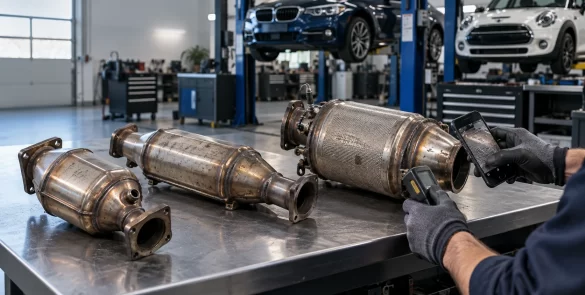
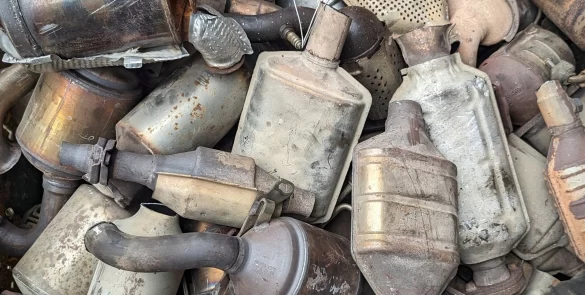
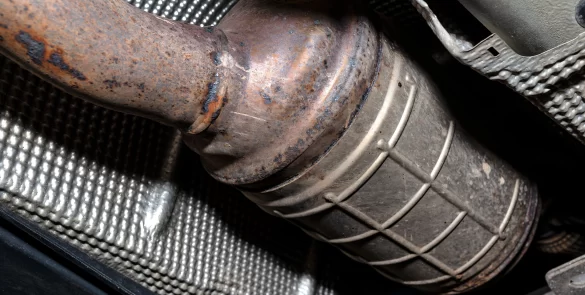
This is especially true for computer parts, server components, certain circuit boards, and other equipment that contains more recoverable materials. As a recycling company operating in Latvia, Metalbee focuses on catalytic converters, PCBs, and non-ferrous metal streams, so it is more convenient for clients to receive a clear evaluation in one place rather than guess what to keep and what to throw away.
The main benefit here is not only the possible financial aspect. It is equally important that devices do not remain at home unnecessarily and are not mixed into the wrong waste stream. It is practical, clean, and responsible.
Why choose a professional partner?
A professional partner helps organize the process from start to finish – from sorting to acceptance and further processing. This reduces mistakes, saves time, and gives greater confidence that devices will not end up in the wrong place.
The previous article already rightly emphasized that clear communication and a professional attitude are important. That remains true. When you hand over old electronics, you are actually handing over more than a physical object. You are handing over a device with its usage history, possible data, damage, and a mix of different materials. That is why the partner must be able to clearly explain what happens next.
Metalbee emphasizes a responsible approach, transparency, and sustainable use of resources in its operations. This is important both for private individuals and for companies that regularly accumulate worn-out equipment. Good acceptance is not just “collect and take away.” It means a well-thought-out flow, proper evaluation, clear communication, and safe further processing.
If there is too much electronics at home, the best time to act is now, not after another renovation, move, or shelf rebuild. An organized waste stream starts with a simple decision – not to keep excess items out of habit.
Summary
Recycling electronics at home is not difficult if you approach it step by step. First, identify unnecessary devices. Then delete data, sort accessories, and choose a safe drop-off point. Not everything needs to be dismantled, not everything needs to be thrown away, and not everything needs to be stored for years. Sometimes proper sorting is enough; in other cases, a professional evaluation is useful. The most important thing is not to let old electronics accumulate at home unnecessarily. In this way, you free up space, reduce risks, and support responsible resource circulation.