Introduction: This guide explains how companies can safely decommission old computers and phones, document every step for audits, and turn electronic waste into a stable source of revenue through smart scrap metal buying, scrap metal acceptance, and reliable recycling partners such as Metalbee.
- Clarify your internal process for corporate e-waste decommissioning.
- Protect sensitive data with verifiable erasure and tracking.
- Prepare devices and components so they qualify for efficient scrap metal acceptance.
- Understand how volume, quality, and sorting affect metal prices and non-ferrous metal prices.
- Create a regular collection and reporting model with a trusted recycler.
Selling Old Computers and Phones: Best Practices for Companies
Every company eventually reaches a point where laptops, phones, and servers are no longer worth repairing. For IT and infrastructure teams, this creates two parallel challenges: protecting data and getting the maximum financial return from hardware, including non-ferrous and precious metals.If the process is managed correctly, old devices turn from a risk factor into a predictable revenue stream based on clear documentation and environmental benefits. If it is handled poorly, the same devices can leak data, take up storage space, and even create compliance problems.This article shows a practical step-by-step approach for companies that want to decommission electronics with confidence and work with recyclers such as
Metalbee to monetize valuable circuit boards and non-ferrous metals through smart scrap metal buying.
1. A Simple Corporate E-Waste Decommissioning Checklist
Before thinking about scrap value and non-ferrous metal prices, you need a clear internal process. A short written checklist reduces uncertainty and protects both employees and data.
Basic Steps for IT Asset Managers
A practical decommissioning checklist for computers, phones, and other equipment usually includes:
- Asset inventory — confirm which devices are being removed from service, including asset tags and serial numbers.
- Ownership check — make sure the devices are not leased or subject to supplier return conditions.
- Reuse assessment — transfer still usable devices to other teams, training labs, or charity programs.
- Data erasure — perform wiping, degaussing, or physical destruction of storage media according to data sensitivity.
- Condition assessment — separate reusable units, spare parts, and clean scrap material.
- Packing and labelling — pack items by category, such as laptops, phones, servers, mixed electronics, and circuit boards.
- Handover to a recycler — hand the equipment over to a certified recycler, such as Metalbee, with a signed delivery note.
Many international guidelines, such as recommendations from the U.S. Environmental Protection Agency, emphasize a similar model: make an inventory, protect data, document every handover, and work with certified partners that responsibly recover metals from e-waste and batteries
U.S. EPA recommendations on electronics and battery management.If your company does not yet have a written e-waste policy, start with one pilot batch. Record every step you take for that batch, then refine the list into a simple procedure that any IT or operations employee can follow.
2. Security First: Data Erasure and Documentation
Even very old devices can contain sensitive data: cached emails, VPN keys, browser sessions, photos of whiteboard drafts, and more. In regulated industries, proof of proper data destruction is just as important as the destruction itself.
Erase, destroy, or both?
For many corporate device fleets, three levels of storage media handling cover most situations:
- Logical erasure for low- and medium-risk data using certified software tools.
- Cryptographic erasure if full-disk encryption was used during the device lifecycle.
- Physical destruction for high-risk data or damaged drives that cannot be securely wiped.
Whichever method you choose, make sure it is included in your policy with clearly defined responsibility. Some companies contract their recycling partner to handle storage media destruction; others do it on site and then send cleaned devices and separate components into the
scrap metal buying process.
Why documentation matters for scrap metal acceptance
When your batch arrives at Metalbee or another recycling company, it is treated as a new incoming material stream. Clear records from your side help both parties.For every shipment, collect at least:
- The shipment date and place of origin.
- The asset tag range or list of included serial numbers.
- The number of units by category, for example 120 laptops, 80 phones, and 10 servers.
- The data erasure method applied and the person who approved it.
- Estimated weight or volume of circuit boards and mixed scrap material.
Metalbee can then connect your delivery note with its incoming material records,
scrap metal acceptance, testing, and settlement process. This helps during audits and strengthens trust, which is the foundation of long-term cooperation.
3. Preparing Devices to Maximize Scrap Value
How you prepare equipment before handover directly affects your revenue from scrap metal buying. You do not need a full dismantling line, but a little smart sorting can have a strong effect on metal prices, especially non-ferrous metal prices.
Focus on high-value components
In most corporate equipment, you will find printed circuit boards (PCBs) that contain copper, gold, silver, and other non-ferrous metals. Recycling companies such as Metalbee specialize in evaluating and processing these boards.Simple actions that usually improve value:
- Separate high-grade boards, such as server boards, telecom boards, and smartphone boards, from lower-grade boards.
- Remove batteries and store them in separate containers for safe recycling.
- Remove obvious non-metallic parts, such as large plastic housings, where practical.
- Group similar material types together so weighing and sampling can be faster.
If your team wants a more consumer-oriented view of how electronics are handled in smaller volumes, Metalbee shares practical advice in an article about
electronics recycling at home and smart handling of small e-waste volumes for scrap metal acceptance, which can be adapted for corporate workshops or awareness days.
4. How Bulk Selling Affects Non-Ferrous Metal Prices
Many IT managers know that electronic scrap has value, but they are not always sure how recyclers determine that value. Several factors shape the final settlement for your batches and influence both overall metal prices and specific non-ferrous metal prices.
Main metal price drivers for e-waste
When it comes to corporate electronics and circuit boards, recyclers usually consider:
- Metal content — how much copper, gold, silver, and other non-ferrous metals can be recovered.
- Batch consistency — mixed, unsorted scrap is harder to process than clearly separated categories.
- Contamination — excess plastic, glass, or hazardous material reduces effective yield.
- Market conditions — reference prices on metal markets at the time of settlement.
Corporate sellers often achieve better returns when they move from one-off small shipments to regular, well-sorted batches. Industry research also shows that stable, contract-based volume helps recyclers plan smelting capacity and can support more favourable terms for sellers
analysis of corporate e-waste strategies and value recovery.
Why non-ferrous metal prices respond to quality
Boards, wires, and certain components from your devices belong to the broader category of non-ferrous scrap metal. Here,
non-ferrous metal prices are not determined only by global markets. Quality has a strong local impact on final metal prices.High-grade boards with rich precious metal content, clean copper wires, and well-sorted alloys are cheaper for recyclers to process. This means a larger share of the recovered value can be paid to you.By contrast, if boards are mixed with household waste, unsorted plastic, or batteries, the recycler needs additional processing steps. This increases costs and limits how much of the metal value can be reflected in your settlement.
5. Example: Factors That Shape the Value of Old Devices
Overview table
The table below summarizes how different decisions inside your company affect potential value and ease of processing for Metalbee as a scrap metal acceptance partner.
| Internal practice | Impact on the recycler | Impact on potential return |
|---|
| No asset list, different devices mixed on one pallet | Harder to sort and assess; more manual work required | Lower, because processing needs more resources and carries more risk |
| Basic asset list with categories, such as computers, phones, and servers | Faster acceptance, easier to connect test results with a specific shipment | Medium, with potential to improve by adding more detail |
| Data erased, devices packed by type, batteries removed | Smoother processing, fewer safety risks | Higher, because the material stream is cleaner and safer to handle |
| Boards removed from devices and sorted into high- and lower-grade groups | Optimized for laboratory analysis and smelting batches | Highest, because metal content can be assessed more accurately |
You do not need to reach the highest level on day one. Many companies start with better packing and documentation, then add board sorting later once they see the financial benefit and more favourable metal prices for non-ferrous metals.
6. Agreement with Metalbee: Schedules, Reports, Certificates
Once your internal process is developed, you can formalize a cooperation model with Metalbee that fits your warehouse capacity and equipment renewal cycles.
Collection schedules that match your business rhythm
Every industry has its own typical pattern. A retail chain, for example, may refresh in-store tablets every spring. A bank may replace laptops every three years. Metalbee can adapt collection frequency and load size to these patterns — from quarterly collections to larger annual projects.For many corporate sellers, a practical model looks like this:
- Internal teams collect and prepare devices over a defined period, such as three months.
- Collection is requested once the target volume or warehouse capacity limit is reached.
- Metalbee organizes logistics, confirms weight and categories, and prepares a report.
When planning larger technology refresh projects, it is useful to get in touch early. This gives Metalbee time to plan transport and laboratory capacity, especially if you expect a large share of circuit boards and other rich materials.
Reports and environmental certificates
Corporate sustainability teams expect clear evidence of where old equipment ends up. This is where detailed reports and certificates from your recycling partner provide real value.Metalbee can provide:
- Material acceptance documents that match your delivery notes.
- Weight and category reports for each shipment.
- Environmental or recycling certificates confirming proper e-waste handling.
These records support ESG reporting, ISO audits, and internal risk checks. They also help demonstrate to customers and partners that your company takes resource efficiency and environmental impact seriously.
7. Lessons from Catalytic Converter and Metal Markets
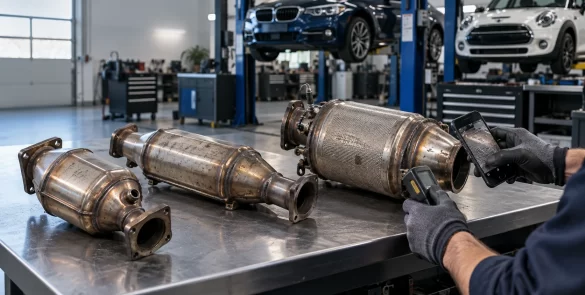
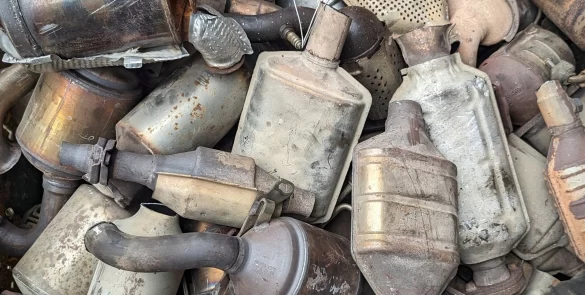
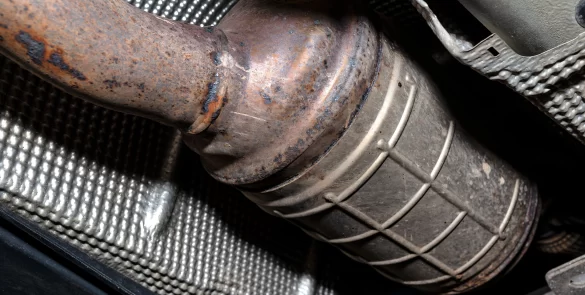
Although this article focuses on computers and phones, many companies also send catalytic converters and other automotive scrap to Metalbee. Understanding how recyclers evaluate metal content across different streams helps IT managers better understand why sorting and documentation also improve e-waste value and non-ferrous metal prices.For example, Metalbee explains how construction and metal composition affect the value of different catalytic converters in an article about
value differences between diesel and gasoline catalytic converters. The same basic principle applies to electronic scrap: the more accurately you can submit material with a known and consistent composition, the more fairly it can be assessed and priced.
8. Building a Long-Term Relationship with a Recycler
A one-off sale of a few laptops is acceptable for small offices. Larger organizations gain more when they treat e-waste as a recurring resource stream rather than a sporadic storage-clearing task.Long-term cooperation with Metalbee allows you to:
- Standardize packing and documentation, saving employee time.
- Adjust sorting levels based on feedback and result reports.
- Align collection times with major rollouts and refresh projects.
- Improve revenue forecasts from electronic scrap metal buying.
Over time, both sides become familiar with the material your company generates, which simplifies settlements and can support more efficient logistics and processing strategies.
9. How Metalbee Supports Scrap Metal Buying for Corporate Clients

Metalbee specializes in high-value scrap streams such as catalytic converters, printed circuit boards, and non-ferrous metals. For corporate clients decommissioning IT assets, this experience helps turn complex material streams into fair and transparent settlements.The benefit for companies comes from three main areas:
- Laboratory analysis for boards and other components, supported by extensive reference databases.
- Transparent communication about yields and settlement methods.
- Flexible logistics adapted to your warehouse capacity and equipment refresh rhythm.
Companies that want to integrate e-waste management into a broader metal recovery strategy can also learn from Metalbee’s Latvian study on
the value comparison of diesel and petrol catalytic converters by metal content, which repeats the same principle: good data and careful sorting provide fair value for both seller and buyer.
Summary
Decommissioning old computers and phones may seem like a burdensome obligation, but with a simple checklist and the right partner, it becomes a repeatable process that protects data, supports ESG goals, and returns money to your budget. Start with a clear inventory, apply reliable data erasure, and document every handover. Then increase returns by sorting boards and components so cleaner material streams and stable batches support more favourable
non-ferrous metal prices and overall metal prices in your settlements.Metalbee helps companies put these principles into practice by carrying out careful analysis of electronic scrap, providing transparent reporting, and offering flexible collection solutions for corporate clients. When you are ready to treat e-waste as a planned resource stream rather than a rare problem, contact Metalbee to discuss collection schedules, reporting needs, and how your next batch of decommissioned devices can strengthen both sustainability and your financial results.


 Metalbee specializes in high-value scrap streams such as catalytic converters, printed circuit boards, and non-ferrous metals. For corporate clients decommissioning IT assets, this experience helps turn complex material streams into fair and transparent settlements.The benefit for companies comes from three main areas: