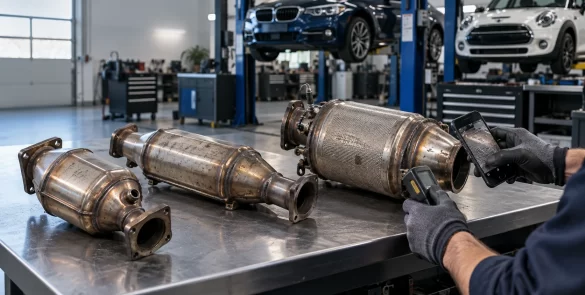
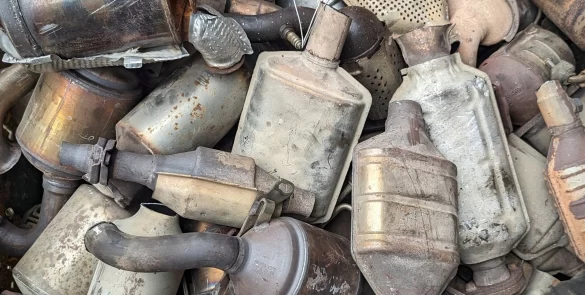
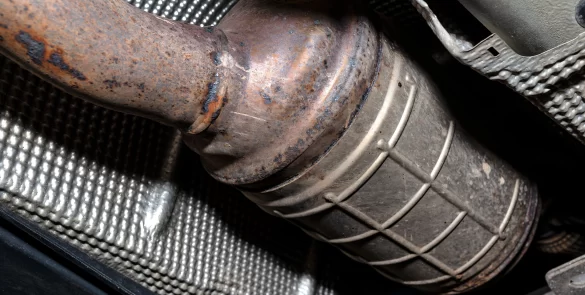
Nowadays, as environmental protection becomes an increasingly pressing issue, catalyst recycling is essential. Catalytic converters are a vital component of a car’s exhaust system, helping to reduce the amount of harmful emissions released into the atmosphere. However, when these catalytic converters reach the end of their useful life, they become a potential source of pollution if not properly recycled. That is why the purchase and recycling is so important for both the environment and the economy.
What is a a catalyst?
A catalytic converter is a device that reduces the amount of harmful substances emitted from a car’s exhaust. It consists of rare-earth metals, such as platinum, palladium, and rhodium, which, through chemical reactions, convert harmful emissions, such as carbon monoxide and nitrogen oxides, into less harmful substances.
Why Is It Important to recycling catalysts?
The collection and recycling of catalysts is important for several reasons:
- Environmentally Friendly Practices: Catalysts contain valuable metals that can be reused, thereby reducing the need to extract new natural resources. This helps reduce the negative environmental impact of mining operations.
- Economic benefit: Catalyst prices can be quite high due to the rare-earth metals they contain. When catalysts are recycled, these metals are recovered and can be used in the manufacture of new products, which reduces production costs.
- Waste Reduction: By recycling old catalytic converters, we reduce the amount of waste sent to landfills, thereby reducing pollution and waste management costs.
Buying Catalytic Converters: How does it work?
Catalytic Converter Buyback is a process in which specialized companies purchase old or damaged catalytic converters for recycling. This process is simple and cost-effective for both individuals and businesses. First, it is important to choose a reliable buyer who offers fair catalytic converter prices.
To determine catalyst prices, buyers take various factors into account, such as the condition of the catalyst, its metal content, and market prices for rare-earth metals. Therefore, catalyst buyback prices may vary, but it is always worth researching and comparing offers.
Secinājums
Catalyst recycling is an important step toward keeping our planet clean and reducing the depletion of natural resources. It’s also economically beneficial, as reused metals lower production costs and generate less waste. So, if you have an old or damaged catalytic converter, consider selling it for scrap. Not only will this help the environment, but it will also provide you with a financial benefit.